
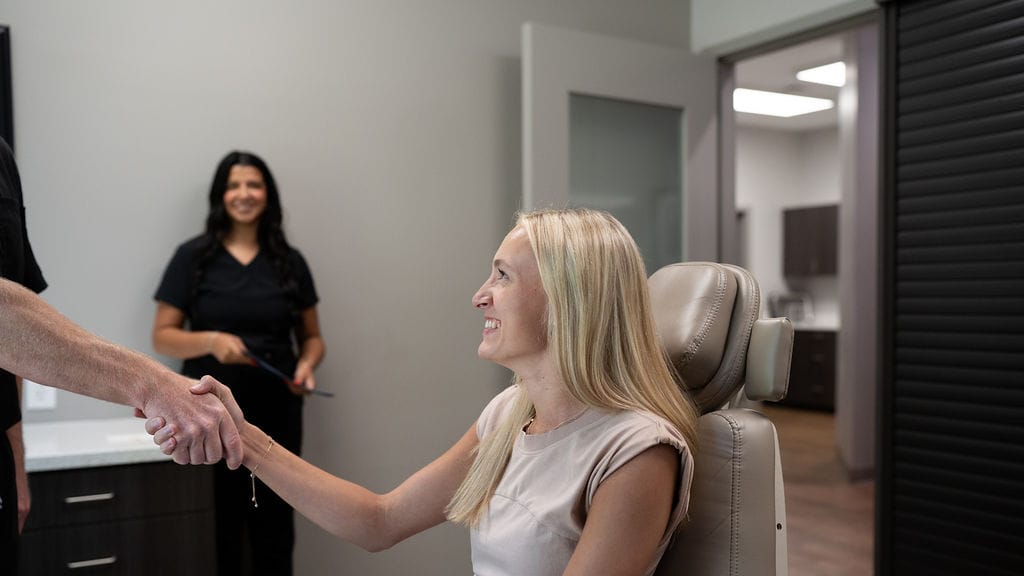
When you arrive for your appointment, our team will guide you through each step to ensure you feel comfortable and informed. Here’s what you can expect:
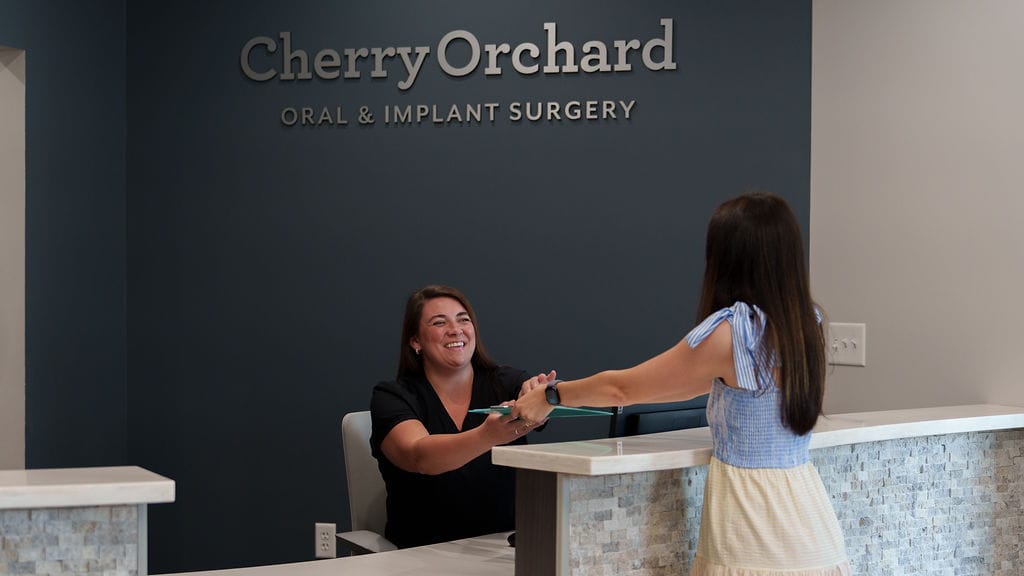
Check‑In & Final Review We confirm your medical history, answer any last questions, and review your sedation choice.
Pre‑Surgery Preparation You’ll be brought to a private treatment room where monitors are placed to safely track important vitals.
Sedation Begins Once you’re relaxed or fully asleep (depending on the sedation option), the procedure starts.
Tooth Removal Dr. Cherry gently removes the wisdom teeth using minimally invasive techniques designed to reduce swelling and speed recovery.
Waking Up & Monitoring After the procedure, you’ll rest in our recovery area while the sedation wears off. A friend or family member must drive you home.
Post‑Op Instructions Before you leave, we review your aftercare instructions and provide everything you need for a smooth recovery.
Most patients are in the office for about 60–90 minutes from start to finish.
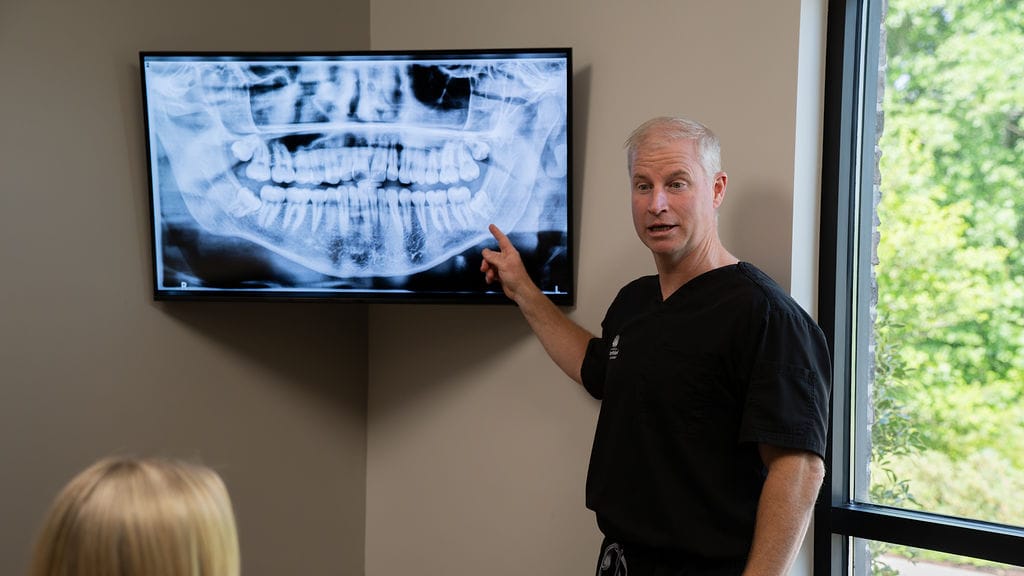
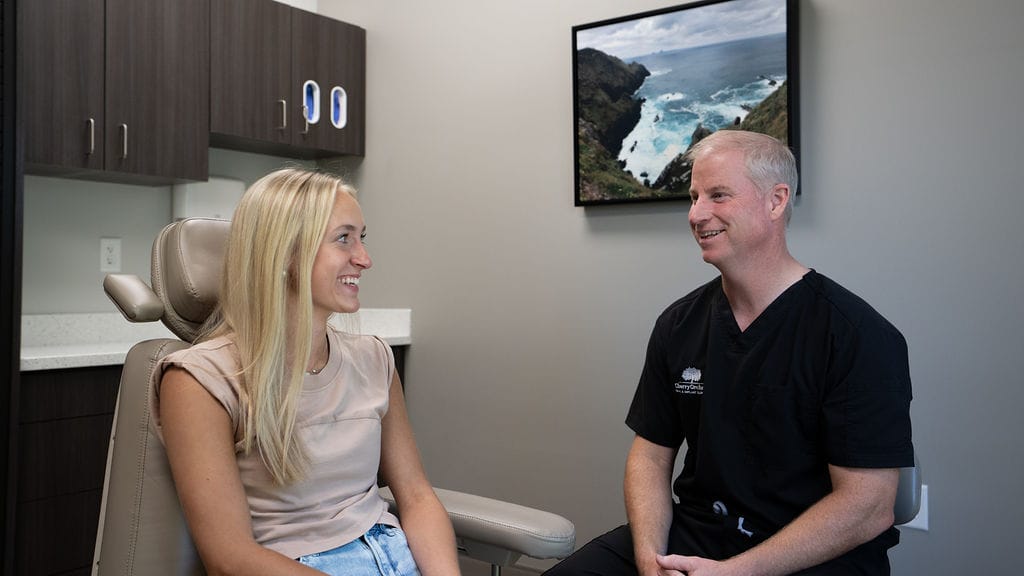
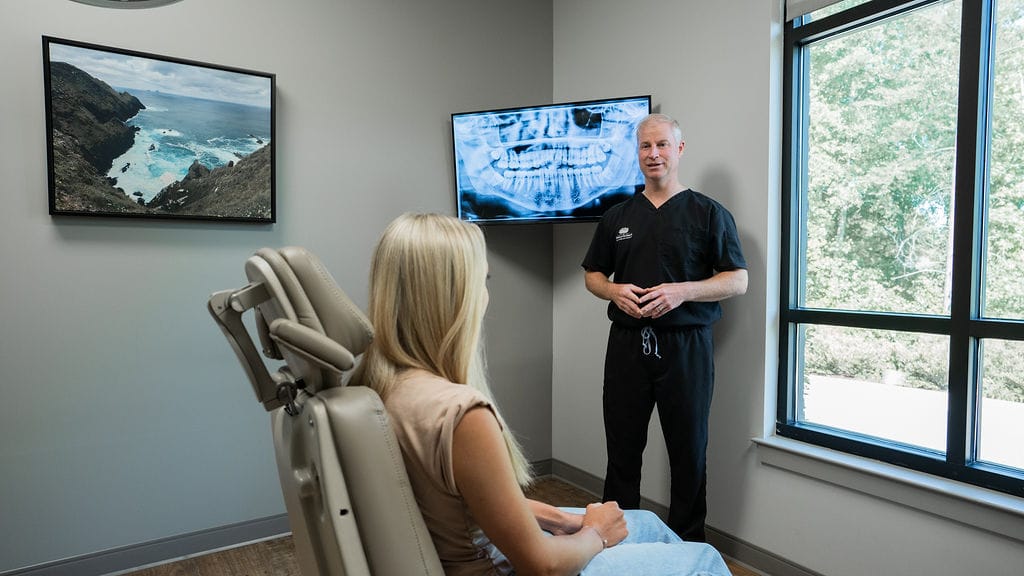
Common signs include jaw pain, swelling, gum tenderness, bad breath, headaches, or repeated infections behind the molars. Even if you have no symptoms, wisdom teeth may still be impacted or positioned in a way that can cause future problems. A quick exam and 3D scan can determine whether removal is recommended.
An impacted tooth is one that does not have enough room to fully emerge. It may be trapped under the gums or growing at an angle toward other teeth. Impacted wisdom teeth can lead to pain, infection, cysts, and damage to nearby teeth, which is why early evaluation is important.
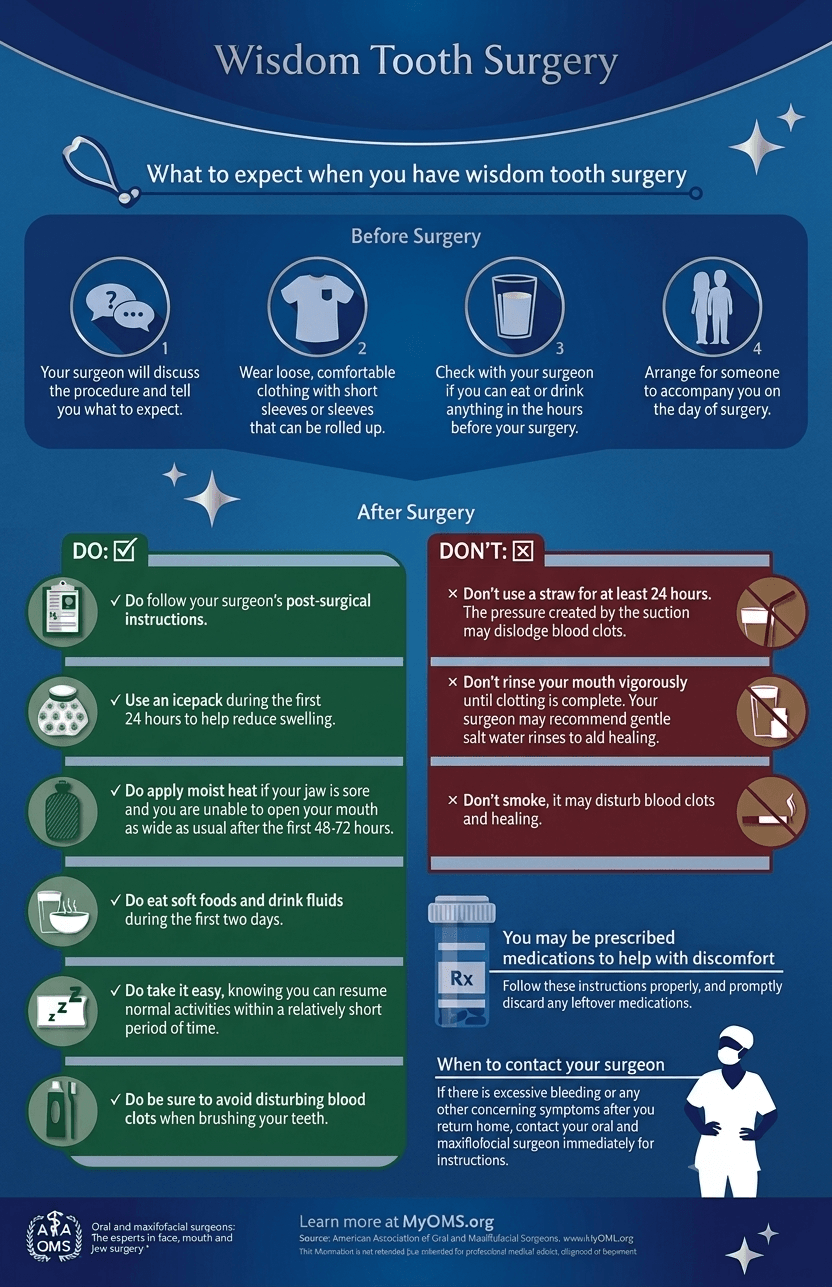
Most patients tolerate wisdom teeth removal well. The area is thoroughly numbed before the procedure begins, and sedation options are available when appropriate to help you feel more at ease. Some patients may experience pressure or movement during the procedure. After surgery, soreness and swelling are common and can be managed with prescribed or over‑the‑counter pain medication, cold compresses, and detailed home‑care instructions.
Most patients feel significantly better within 3–5 days. Swelling typically peaks around day two or three and then improves. You can return to normal activities within a week, though complete healing of the surgical sites continues for several weeks.
Stick to soft foods for the first few days — such as yogurt, mashed potatoes, smoothies, eggs, and soups. Avoid straws, crunchy foods, and anything that requires heavy chewing until your surgeon clears you to return to a normal diet.
Yes. If you receive IV sedation, a responsible adult 18 years of age or older must accompany you the morning of your surgery, stay until completion and drive you home. This individual should be someone you know and trust. We will not be able to release you to a paid professional in a commercial transportation capacity, such as a taxi, Uber or Lyft driver. IV sedation effects can last up to 24 hours, so it is recommended that patients do not operate any vehicles or make any important decisions during this time interval.
Patients who receive local anesthesia or nitrous oxide for treatment may be able to drive themselves following their procedure, depending on their individual circumstances.
The cost depends on the number of teeth removed, the level of impaction, and the type of anesthesia used. Most insurance plans cover a portion of the procedure. We provide transparent pricing and offer financing options to make treatment accessible.