Wisdom Teeth Removal

Wisdom teeth often cause pain, infection, and crowding when they don’t develop properly. At Cherry Orchard Oral & Implant Surgery, we provide safe, comfortable wisdom tooth removal using advanced technology and gentle surgical techniques.

Wisdom Teeth: What They Are and Why Removal Matters

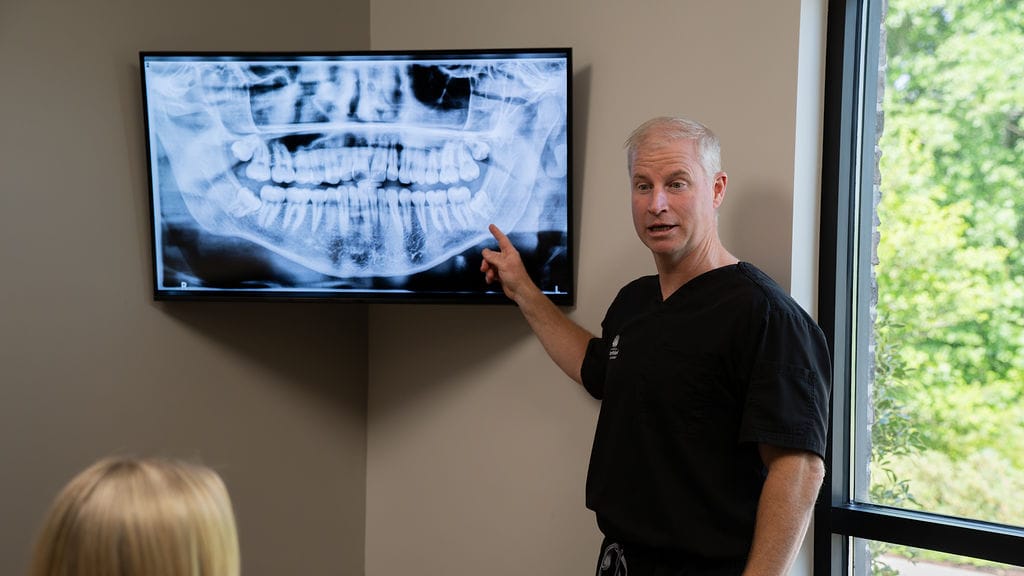
Wisdom teeth are the last molars to develop, typically appearing between ages 17 and 25. Because the jaw often doesn't have enough room for them, they frequently become impacted — trapped beneath the gums or bone — which can lead to pain, swelling, and infection.
Not all wisdom teeth cause problems, but many do. Removal is recommended if they are painful or if they are erupting in a manner which may cause damage to your other dentition. If untreated, impacted wisdom teeth may lead to pain, swelling and infection of the area. They may also interfere with previous orthodontic treatment, since wisdom teeth often erupt after many patients have completed orthodontic work. Early evaluation and timely care are key elements in the prevention of complications from wisdom teeth. This video explains the risks of delaying treatment and what to expect when moving forward with wisdom teeth removal.

Understanding Impacted Wisdom Teeth and the Different Types of Impactions

A tooth is considered impacted when it doesn't have enough room to fully emerge into the mouth. As wisdom teeth develop, Dr. Cherry monitors their position, spacing, and alignment to determine whether removal is needed. There are three common types of impaction: soft tissue impaction, where the tooth has cleared the bone but remains partially covered by gum tissue; partial bony impaction, where the tooth has partially erupted but is not fully visible or properly positioned; and complete bony impaction, where the tooth remains entirely trapped within the jawbone, often at an angle, requiring surgical removal.

Questions to Ask Before Surgery

Being prepared helps reduce anxiety and ensures a smooth experience. This video walks through the most important questions to ask before your wisdom teeth removal, including anesthesia options, recovery expectations, and post‑operative care.

What Happens on the Day Wisdom Teeth Are Removed?

When you arrive for your appointment, our team will guide you through each step to ensure you feel comfortable and informed. Here’s what you can expect:

  1. Check‑In & Final Review We confirm your medical history, answer any last questions, and review your sedation choice.

  2. Pre‑Surgery Preparation You’ll be brought to a private treatment room where monitors are placed to safely track important vitals.

  3. Sedation Begins Once you’re relaxed or fully asleep (depending on the sedation option), the procedure starts.

  4. Tooth Removal Dr. Cherry gently removes the wisdom teeth using minimally invasive techniques designed to reduce swelling and speed recovery.

  5. Waking Up & Monitoring After the procedure, you’ll rest in our recovery area while the sedation wears off. A friend or family member must drive you home.

  6. Post‑Op Instructions Before you leave, we review your aftercare instructions and provide everything you need for a smooth recovery.

Most patients are in the office for about 60–90 minutes from start to finish.
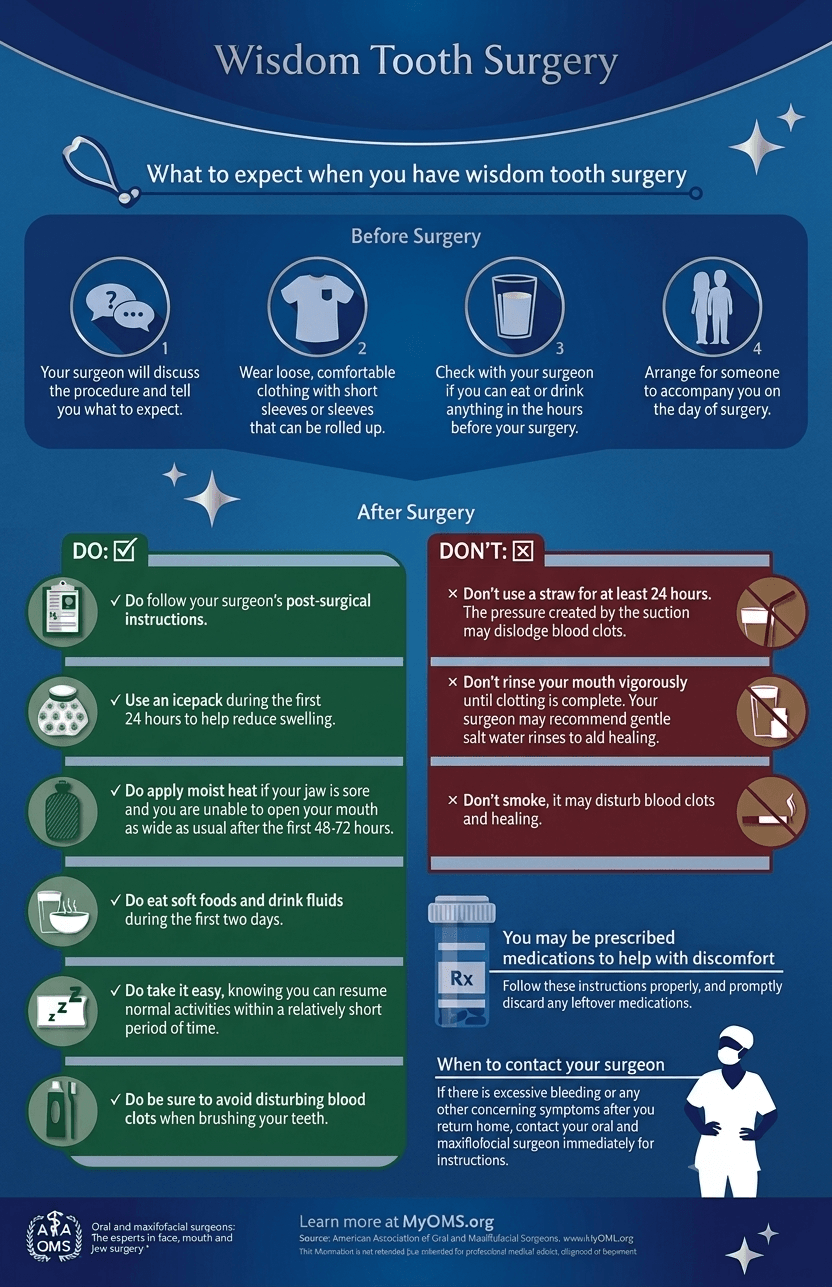
Wisdom Tooth Surgery

After the Extraction

Sutures that dissolve are periodically used to close any incisions once the wisdom teeth have been extracted, and gauze may be applied to stop any bleeding and protect the newly empty socket. Patients should keep a moistened gauze in place for at least 30-45 minutes following surgery. This will help to form necessary blood clots, which initiate the healing process. A moistened tea bag may also be used as it has a constricting agent, tannin, that helps with clotting. A prescription for pain medication is usually provided- often ibuprofen and, in some cases, a narcotic. However, recent studies have shown that alternating between ibuprofen and Tylenol provides better pain relief than narcotic medication.

What Will I Feel Like After the Surgery?

It is normal for patients to feel tired or groggy after receiving anesthesia. Their mouth may also feel slightly numb or tingly as the local anesthetic wears off over the next 6-8 hours. Strenuous activity, including moderate to high intensity exercise, should be avoided for at least seven days. Applying an ice pack in 20-minute intervals throughout the first 48-72 hours can help minimize swelling and discomfort, along with keeping the head elevated when laying down. Moist heat can be applied starting after 72 hours to reduce stiff muscles in the jaw.

Patients should plan to take 3-4 days off before returning to school or work so that they can rest and recover. Many patients find that by day two or three, they are feeling mostly back to normal, though every patient is different. Strenuous activity, including exercise, should be avoided for at least four days. Patients should notify Dr. Cherry and his staff if they have any concerns about their recovery and how it is progressing.

What Are the Risks Associated with Wisdom Teeth Removal?

Wisdom teeth removal is generally a safe and fairly predictable procedure, but as with any type of surgery, there are potential risks. Dr. Cherry works closely with each patient to assess their overall health, dental history, and any risk factors when developing a treatment plan.

A common side effect that many patients ask about is the occurrence of a dry socket. This may occur following the extraction of lower wisdom teeth if the blood clot that formed following the procedure is somehow dislodged from the socket. These are usually seen approximately four days after the extraction procedure. Although this complication can be quite painful, in most cases following simple precautions during the healing phase can ensure that this is not part of your experience. Patients should avoid smoking, vaping, drinking through a straw, and strenuous exercise during their initial healing period to minimize the risk of a dry socket.

There is also a nerve that runs along the jaw, and some patients experience numbness or tingling in their chin, lower lip, or tongue after the surgery. This sensation will typically resolve, but patients should let Dr. Cherry know about any changes in sensation they experience.

Every patient is different, and it is not possible to list every potential risk or contingency around wisdom teeth extraction. Dr. Cherry is happy to provide more specific information and answer any questions a patient may have about their particular situation or treatment plan.
Rsk Factors
Wisdom Teeth Removal Cost

What Does Wisdom Teeth Removal Cost, and Is It Covered by Insurance?

The cost of wisdom teeth removal varies from patient to patient. Multiple factors are taken into consideration when determining pricing, such as pre-operative exams or imaging, the type of anesthesia used, and the complexity of the extractions. Insurance coverage also differs depending on the policy and the procedures performed. The staff will be able to provide a more specific estimate once the surgical plan has been created and insurance information has been collected.

Why Choose Cherry Orchard Oral & Implant Surgery?

Dr. Cherry and his team at Cherry Orchard Oral & Implant Surgery routinely perform wisdom teeth removal, both for patients whose wisdom teeth are just developing and those who might be experiencing pain or complications from their wisdom teeth at an older age. Patient safety and comfort are a top priority throughout the process. Call (864) 603-2464 to schedule a consultation at our Greenville office and discuss wisdom teeth removal options for improved oral health.


Why choose Cherry Orchard

Explore more resources

Learn more about imaging, diagnostics, and treatment planning with these helpful articles designed to support your oral health journey.

The cost of wisdom teeth removal can vary widely depending on factors such as the…
Read Full Article

Wisdom Teeth Removal for Teens vs Adults: What’s the Difference Wisdom teeth removal is a…
Read Full Article

Your First 24 Hours The first day after wisdom teeth removal is typically the most…
Read Full Article

Impacted wisdom teeth are third molars that do not have enough room to fully emerge…
Read Full Article

Wisdom teeth don’t always cause problems, but when they do, the symptoms can develop gradually…
Read Full Article
Explore More Resources

Frequently Asked Questions

Get quick answers to the most common questions about wisdom teeth removal, including what to expect before, during, and after your procedure. These FAQs are designed to help you feel prepared, informed, and confident about your treatment.
Frequently Asked Questions

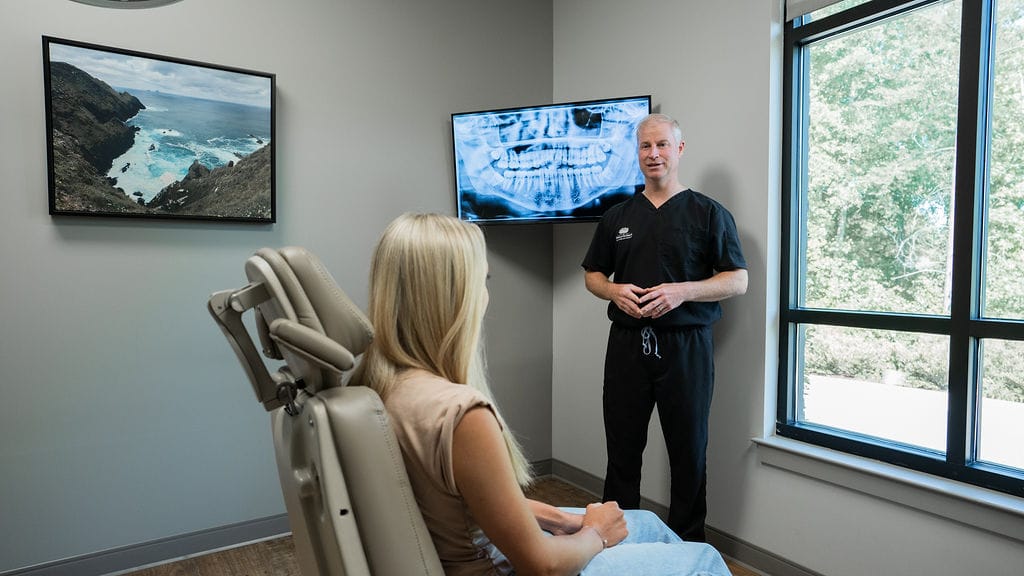
Common signs include jaw pain, swelling, gum tenderness, bad breath, headaches, or repeated infections behind the molars. Even if you have no symptoms, wisdom teeth may still be impacted or positioned in a way that can cause future problems. A quick exam and 3D scan can determine whether removal is recommended.

An impacted tooth is one that does not have enough room to fully emerge. It may be trapped under the gums or growing at an angle toward other teeth. Impacted wisdom teeth can lead to pain, infection, cysts, and damage to nearby teeth, which is why early evaluation is important.

Most patients tolerate wisdom teeth removal well. The area is thoroughly numbed before the procedure begins, and sedation options are available when appropriate to help you feel more at ease. Some patients may experience pressure or movement during the procedure. After surgery, soreness and swelling are common and can be managed with prescribed or over‑the‑counter pain medication, cold compresses, and detailed home‑care instructions.

Most patients feel significantly better within 3–5 days. Swelling typically peaks around day two or three and then improves. You can return to normal activities within a week, though complete healing of the surgical sites continues for several weeks.

Stick to soft foods for the first few days — such as yogurt, mashed potatoes, smoothies, eggs, and soups. Avoid straws, crunchy foods, and anything that requires heavy chewing until your surgeon clears you to return to a normal diet.

Yes. If you receive IV sedation, a responsible adult 18 years of age or older must accompany you the morning of your surgery, stay until completion and drive you home. This individual should be someone you know and trust. We will not be able to release you to a paid professional in a commercial transportation capacity, such as a taxi, Uber or Lyft driver. IV sedation effects can last up to 24 hours, so it is recommended that patients do not operate any vehicles or make any important decisions during this time interval.

Patients who receive local anesthesia or nitrous oxide for treatment may be able to drive themselves following their procedure, depending on their individual circumstances.

The cost depends on the number of teeth removed, the level of impaction, and the type of anesthesia used. Most insurance plans cover a portion of the procedure. We provide transparent pricing and offer financing options to make treatment accessible.

Schedule Your Wisdom Teeth Consultation

If you’re experiencing pain, swelling, or think your wisdom teeth may be impacted, our team is here to help. We provide gentle, precise care with advanced imaging and comfortable sedation options to ensure a smooth experience from start to finish.
Cherry Orchard Logo
Have a question or need assistance? Our team is here to help. Use the form below to reach out, and a member of our staff will follow up as soon as possible. Whether you’re preparing for a procedure, checking insurance benefits, or requesting an appointment, we’re committed to making your experience smooth and stress‑free.

Follow Us